
Introduction
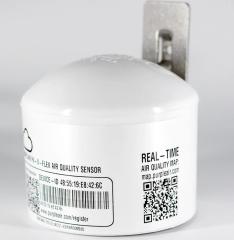
The District has installed air quality monitoring systems located at three key sites in North Saanich: the Municipal Hall, McTavish Fire Hall, and Wain Road Fire Hall. These systems are designed to measure and track airborne particulate matter (PM), with a focus on PM2.5 due to its associated health risks.
Overview of Particulate Matter (PM2.5)
Particulate Matter 2.5 (PM2.5) refers to airborne particles with a diameter of 2.5 micrometers or smaller. These particles originate from a variety of sources including combustion engines, industrial processes, wildfire smoke, and residential activities. PM2.5 is especially concerning due to its capacity to penetrate deep into the human respiratory system and potentially enter the bloodstream.
Health Impacts
- Increased risk of respiratory and cardiovascular diseases
- Greater vulnerability among children, seniors, and individuals with pre-existing health conditions
- Long-term exposure linked to reduced lung function and increased mortality
Monitoring Locations and Equipment
The air quality monitoring systems are strategically placed in:
- Municipal Hall - central administrative hub
- McTavish Fire Hall - northern district
- Wain Road Fire Hall - eastern boundary
These locations ensure broad geographic coverage and accessibility for real-time data collection. Each system is calibrated to monitor PM2.5 levels continuously.
Purpose and Benefits
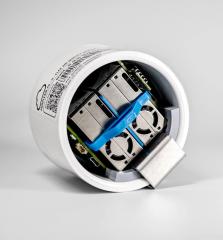
The sensors use a laser beam and a fan to draw air past the beam. Particles in the air reflect the laser light, and the sensor detects and counts the reflections to estimate the concentration of particles. The implementation of these sensors serves multiple objectives:
- Public Health Protection: Enables timely response to hazardous air quality conditions
- Environmental Awareness: Provides data for residents and local agencies
- Emergency Preparedness: Supports response strategies during wildfire events and pollution surges
The District's investment in air quality monitoring reflects a proactive approach to environmental health. These systems provide essential data to help mitigate risks associated with PM2.5 exposure and empower the community with actionable information.
Canadian Air Quality Health Index
The Canadian Air Quality Health Index (AQHI) is designed to help people understand how air quality can affect their health, and how they can protect themselves when air quality is poor. It uses a scale of 1-10+ to indicate potential health risk and to recommend actions for reducing risk.
Canadian Air Quality Key:
- 1-3 - no need to modify outdoor activities
- 4-6 - If you are experiencing symptoms such as coughing and throat irritation with outdoor activities, consider reducing or rescheduling.
- 7-10 - Reduce or reschedule strenuous activities outdoors. Children and the elderly should also take it easy
- 11 - Reduce or reschedule strenuous activities outdoors. Children and the elderly should avoid outdoor physical exertion.
You can track the air quality by visiting the map on the PurpleAir website.